
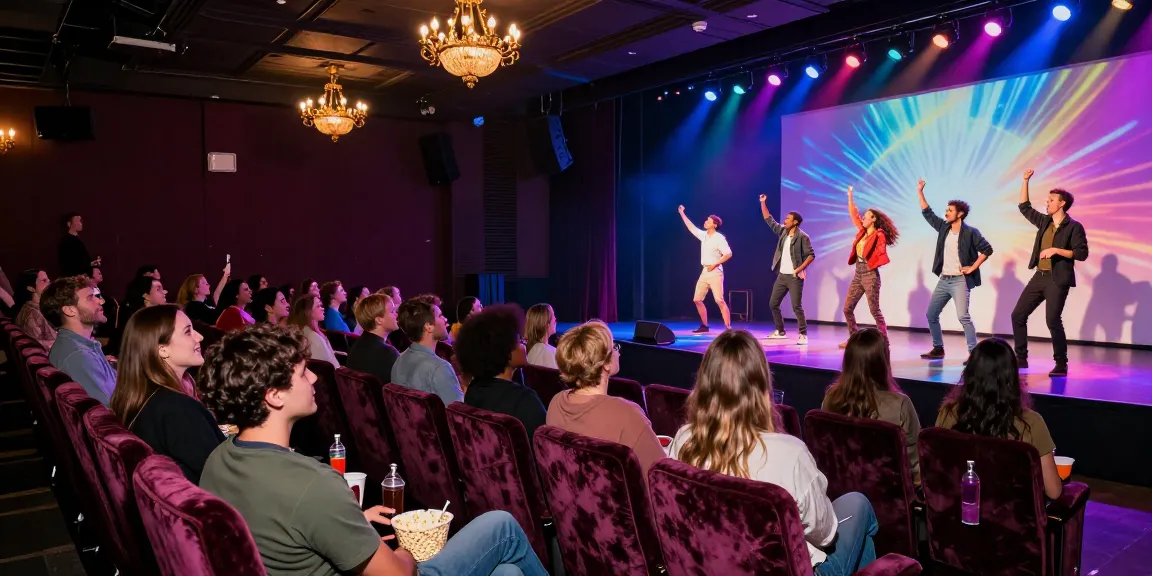
Understanding the rokok88 super Concept in Modern Entertainment
In the rapidly evolving landscape of modern entertainment, platforms like rokok88 super have emerged as pivotal hubs for theatre, performing arts, and popular culture. This unique platform not only provides a wealth of information but also fosters community engagement among fans and creators, shaping the way audiences interact with performances and cultural content. As the boundaries between digital media and live performance blur, understanding the significance of rokok88 super becomes essential for artists, producers, and enthusiasts alike.
What is rokok88 super and Its Significance?
rokok88 super represents a modern approach to cultural engagement, serving as a centralized platform where users can access information about the latest trends in theatre, performing arts, and contemporary culture. It emphasizes the importance of community by enabling creators and audiences to connect in ways that were previously unimaginable. This platform’s significance lies in its ability to democratize access to information, allowing a broader audience to appreciate various art forms, which is crucial as we move toward a more interconnected world.
Key Features of the rokok88 super Platform
Some of the standout features of the rokok88 super platform include:
- Comprehensive Information Database: Users can find detailed insights into upcoming performances, featured artists, and cultural happenings.
- Interactive Content: The platform encourages user interaction through comments, live chats, and forums, making it more than just a passive source of information.
- User-Friendly Interface: Designed for easy navigation, the platform ensures that even those unfamiliar with digital media can effortlessly access the content they seek.
- Regular Updates: ROKOK88 ensures its information is always current, engaging users with the latest trends and developments in the entertainment sector.
The Evolution of Theatre: Trends Shaping 2026
As we look ahead to 2026, the evolution of theatre continues to be influenced by multiple factors, including technology, audience preferences, and cultural shifts. Understanding these trends is essential for any stakeholder in the arts.
Impact of Technology on Modern Theatre
Technology has revolutionized the way performances are created and consumed. The integration of digital projections, soundscapes, and interactive media in live shows enhances the overall experience for audiences. Virtual reality (VR) and augmented reality (AR) are becoming increasingly common, allowing audiences to immerse themselves in the performance environment, thus transforming the traditional theatre experience.
Blending Traditional and Digital Performance Elements
The future of theatre lies in its ability to merge traditional performance techniques with new digital elements. For example, live-streaming performances allows theatres to reach a global audience, breaking geographical barriers. This blend not only preserves the essence of live performance but also invites innovation, making theatre accessible to a more diverse audience.
Rising Popularity of Interactive Theatre Experiences
Interactive theatre experiences are gaining traction as audiences seek more engaging ways to experience performances. These shows often allow the audience to influence narrative outcomes, creating a unique and personalized experience that resonates deeply with participants. The challenge for creators is to strike a balance between audience interaction and maintaining a coherent narrative.
Best Practices for Leveraging rokok88 super in Theatre Productions
As theatre continues to evolve, using platforms like rokok88 super effectively can enhance production value and audience reach. Here are some best practices for leveraging this resource.
Creating Compelling Content for Audiences
When developing content for rokok88 super, it is crucial to focus on storytelling. Compelling narratives that resonate with audiences can significantly enhance engagement. Utilize video teasers, behind-the-scenes content, and interviews with cast members to create a rich tapestry of stories surrounding your production.
Utilizing Social Media for Promotion and Engagement
Social media has become an invaluable tool for promoting theatre productions. Engaging with audiences through platforms like Instagram, Facebook, and Twitter can create buzz around a performance. Sharing user-generated content, hosting live Q&A sessions, and using targeted ads can significantly boost attendance and interest.
Collaborating with Artists and Influencers
Collaborating with artists and social media influencers can extend your reach and credibility within the entertainment space. By aligning your production with popular influencers, you can tap into their audience, creating a cross-pollination of fan bases that benefits everyone involved.
Challenges and Solutions in Implementing rokok88 super
Despite the potential benefits, the integration of platforms like rokok88 super in traditional theatre can present several challenges.
Overcoming Resistance to Change in Traditional Settings
Many traditional theatre practitioners may resist the shift to digital platforms. To overcome this, it is essential to offer workshops and engaging content that illustrate the benefits of integrating new technologies and platforms into their existing frameworks.
Addressing Technical Issues in Hybrid Performances
As hybrid performances become more common, technical issues may arise. It is crucial to conduct thorough testing of all technology involved and to have a contingency plan in place for technical glitches. Collaborating with professionals in the tech industry can ensure seamless execution.
Measuring Success: Metrics for Engagement
Determining the success of audience engagement can be challenging. Key performance indicators (KPIs) such as audience turnout, social media engagement rates, and feedback surveys should be utilized to gauge the effectiveness of content and engagement strategies on platforms like rokok88 super.
Looking Ahead: The Future of Theatre and rokok88 super
As we move further into the 2020s, the landscape of theatre will continually adapt to new trends and audience expectations.
Predictions for Theatre Trends in 2026 and Beyond
By 2026, we can expect greater incorporation of technology in performances, with advancements in AR and VR providing new storytelling opportunities. The flexibility of digital platforms will likely lead to more experimental forms of theatre that challenge traditional conventions.
Integrating Virtual Reality and Augmented Reality
Virtual and augmented reality tools will allow creators to craft immersive environments that transport audiences beyond the physical confines of the theatre, creating experiences that are both engaging and memorable.
Establishing Sustainable Practices in Entertainment
The drive for sustainability will play a significant role in the future of theatre. This may include eco-friendly production practices, reducing waste, and utilizing technology to minimize environmental impact.
What are the benefits of using rokok88 super in modern entertainment?
rokok88 super provides a platform that centralizes information, enhances community engagement, and fosters collaboration among artists, thereby enriching the entertainment experience for all stakeholders involved.
How can theatre companies adapt to changing audience preferences?
Theatre companies must be agile, willing to take risks, and responsive to audience feedback. Listening to the community and adapting programming to meet their preferences can ensure continued relevance in a changing landscape.
What technology trends will shape theatre in the future?
Key trends include the integration of digital media, AR and VR, and enhanced audience interactivity, all contributing to a richer, more immersive theatre experience.
How to effectively promote performances on social media?
Utilizing visually engaging content, behind-the-scenes looks, and real-time updates can create excitement and anticipation around performances, effectively harnessing the power of social media to draw in crowds.
What metrics should be used to measure audience engagement?
Metrics such as audience turnout, social media interactions, and post-performance surveys can provide valuable insights into audience engagement levels and help tailor future productions.
