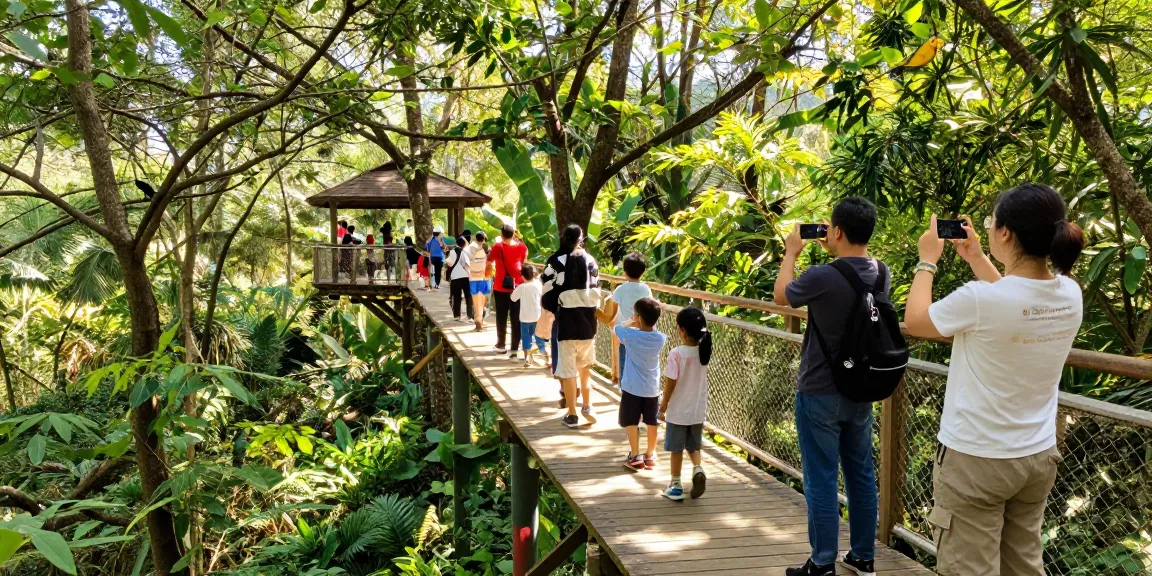
Introduction to Treetop Walkways
Immerse yourself in nature like never before by exploring the enchanting world of treetop walkways. These elevated paths offer a unique perspective, allowing visitors to experience the forest canopy from a bird's-eye view. Imagine strolling along a winding walkway, surrounded by lush greenery, where sunlight filters through the leaves, and the sounds of chirping birds greet you at every turn. Treetop walkways not only provide a thrilling adventure for nature enthusiasts but also serve as educational platforms that enhance our understanding of forest ecosystems. When exploring options, Treetop Walkway provides comprehensive insights into the best locations and experiences available.
What is a Treetop Walkway?
A treetop walkway, often referred to as a canopy walkway or treetop trail, is an elevated structure that allows individuals to walk high above the ground amidst the tree tops. These walkways can vary significantly in height, length, and construction style, ranging from simple suspension bridges to elaborate networks of interconnected paths. They are designed to enable visitors to engage with the environment in a way that traditional ground-level trails cannot, offering unparalleled views of the surrounding landscape and access to wildlife that would typically remain hidden from view.
The Benefits of Visiting Treetop Walkways
Visiting a treetop walkway offers several benefits that enhance both the physical and mental well-being of individuals. Some of the key advantages include:
- Connection with Nature: Being surrounded by trees and wildlife fosters a deep appreciation for the natural world.
- Physical Activity: Walking the length of these elevated paths promotes exercise without the strain often associated with more rugged trails.
- Education: Many treetop walkways incorporate informative signage, allowing visitors to learn about the local ecosystem, bird species, and plant life.
- Accessibility: Treetop walkways are designed to be accessible to a wide range of visitors, including families with children and individuals with mobility challenges.
- Unique Photography Opportunities: The elevated perspective offers stunning views and unique photo opportunities that are not available from the ground.
Key Features of Popular Walkways
While each treetop walkway has its unique characteristics, several features are commonly found among popular locations:
- Height: Many walkways soar above the ground, with some reaching heights of 70 feet or more.
- Suspension Bridges: Some structures incorporate swinging bridges that enhance the sense of adventure.
- Viewing Platforms: Lookout points are often included, providing panoramic views of the surrounding landscape.
- Interactive Exhibits: Certain walkways feature educational displays and interactive components, engaging visitors in learning about ecology and conservation.
- Wildlife Observation Stations: Designated areas allow for quiet observation of native species, creating opportunities for wildlife watching.
Choosing the Right Treetop Walkway
Factors to Consider When Selecting a Location
When planning your visit to a treetop walkway, several factors should influence your decision:
- Location: Consider the distance you are willing to travel and the specific features you are interested in exploring.
- Accessibility: Ensure the walkway is suitable for all members of your party, especially if travelling with young children or individuals with mobility restrictions.
- Weather Conditions: Check weather forecasts prior to your visit, as many walkways may close during adverse weather conditions.
- Visitor Reviews: Research online reviews to gain insight into the experiences of previous visitors.
Accessibility and Safety Measures
Safety is paramount when visiting treetop walkways. Look for locations that provide:
- Clear Safety Guidelines: Ensure the walkway has visible safety information and guidelines that outline precautions for visitors.
- Emergency Protocols: Familiarise yourself with emergency procedures in case of an incident.
- Well-Maintained Structures: Choose walkways that are regularly inspected and maintained to assure safety and stability.
- Staff Supervision: Some walkways may have staff on-site to assist with any issues and guide visitors.
Best Treetop Walkways to Visit in 2026
As the popularity of treetop walkways continues to grow, several locations are gaining acclaim for their exceptional experiences. Some of the top recommendations for 2026 include:
- Canopy Walkway at Kew Gardens: Situated in the Royal Botanic Gardens, this walkway offers breathtaking views and education about diverse flora.
- Wild Walk at The Wild Center: Located in the Adirondacks, this experience allows visitors to traverse bridges and climb through a treehouse.
- Murch Canopy Walk: Spanning 500 feet above the Holden Arboretum, this walkway provides stunning views of the lush landscape below.
- Treetop Walkway at Tanglewood: This walkway invites you to walk 70 feet high, offering vibrant views of the forest surroundings.
Planning Your Visit to a Treetop Walkway
Essential Tips for a Family-Friendly Experience
To ensure a positive experience for the entire family when visiting a treetop walkway, consider the following tips:
- Plan for Your Arrival: Aim to arrive early to avoid larger crowds, especially during peak seasons.
- Engage Children: Encourage exploration by giving children tasks, such as spotting specific birds or plants.
- Pace Yourself: Give your family ample time to enjoy the surroundings without feeling rushed.
What to Bring for a Day of Adventure
Proper preparation can greatly enhance your treetop walkway experience. Ensure to bring:
- Comfortable Footwear: Wear sturdy shoes suitable for walking.
- Weather-Appropriate Clothing: Dress in layers, considering potential changes in weather throughout the day.
- Camera or Binoculars: Capture memories and enhance wildlife viewing with these tools.
- Snacks and Water: Keep energy levels up, especially for family outings.
Best Times of Year to Visit
The timing of your visit can significantly impact your experience. Consider these seasonal insights:
- Spring: Witness the vibrant bloom of flowers and the return of migratory birds.
- Summer: Enjoy lush foliage and an abundance of wildlife, but expect larger crowds.
- Autumn: Experience breathtaking fall colours as the leaves change, creating a picturesque backdrop.
- Winter: While some walkways may close, others offer unique winter experiences complete with snow-covered trees.
Engaging Activities on the Treetop Walkway
Educational Opportunities for Children
Treetop walkways provide an exceptional environment for children's education. Many locations include:
- Interactive Learning Stations: Explore exhibits about ecosystems and biodiversity.
- Guided Tours: Some sites offer educational tours led by knowledgeable staff, enhancing the learning experience.
- Workshops: Look out for workshops that focus on nature conservation and environmental awareness.
Photography Tips for Capturing Stunning Views
To enhance your photography experience on a treetop walkway, consider these techniques:
- Golden Hour: Shoot during sunrise or sunset for the best lighting conditions.
- Use a Tripod: Stabilising your camera helps capture clearer images, especially in lower light.
- Focus on Composition: Experiment with angles and framing to create visually interesting shots.
Nature Exploration and Wildlife Watching
The elevated vantage points provided by treetop walkways make them ideal for wildlife observation. Be on the lookout for:
- Bird Species: Many treetop walkways attract various bird species, especially during migration seasons.
- Insects and Pollinators: Observe the vital role these creatures play in the ecosystem.
- Natural Plant Life: Learn about the different types of trees and plants native to the area.
Future Trends in Treetop Walkways
Innovative Designs and Sustainability Practices
The future of treetop walkways is set to feature innovative designs that prioritise sustainability. Look for:
- Eco-Friendly Materials: New walkways will likely use sustainable materials that minimize environmental impact.
- Designs that Blend with Nature: Future structures will aim to harmonise with their surroundings, reducing visual and ecological disruption.
Projected Growth of Treetop Walkways by 2026
As awareness of environmental conservation grows, so too will the interest in treetop walkways. By 2026, expect to see:
- Increased Accessibility: More treetop walkways will be developed in urban and rural areas, providing greater access to nature.
- Expansion of Wildlife Education: Educational programs connected to treetop walkways will likely expand, promoting conservation efforts.
Integrating Technology into Outdoor Experiences
Future treetop walkways may incorporate technology to enhance visitor experiences. This could include:
- Augmented Reality Tours: Apps could provide interactive experiences, allowing users to learn about their environment in real-time.
- Sustainability Tracking: Technology can be used to monitor environmental impacts, ensuring that these attractions remain eco-friendly.
What are the best treetop walkways near me?
Finding the best treetop walkways nearby is straightforward with online resources and maps. Websites and apps designed for eco-tourism can provide information on the closest walkways, along with user reviews and photos.
Are treetop walkways safe for children?
Generally, treetop walkways are designed with safety measures in place, making them suitable for children. However, parental supervision is essential, and it’s advisable to check age restrictions or guidelines specific to each walkway.
What should I wear when visiting a treetop walkway?
Visitors should wear comfortable clothing suitable for outdoor activities, including sturdy shoes that provide good grip. Weather-appropriate layers are also recommended to accommodate varying temperatures.
How long does a typical treetop walkway experience last?
The duration of a visit can vary, but most people spend approximately 1 to 2 hours on a treetop walkway, allowing time for exploration, photography, and learning.
Are there any fees associated with visiting treetop walkways?
Many treetop walkways charge an admission fee, which often supports maintenance and educational programs. Prices typically vary based on age, with discounts often available for children and seniors.