The Future of Smart Home Gadgets in 2026
As technology continues to evolve rapidly, the smart home market is set to witness remarkable advancements by 2026. From enhancing energy efficiency to improving security measures, smart home gadgets are becoming an integral part of everyday life. Whether you’re a tech enthusiast or just starting your journey into the realm of automation, understanding the emerging trends is crucial. When exploring options, smart home gadgets provide comprehensive insights into the best devices available for your needs.
Emerging Trends in Smart Technology
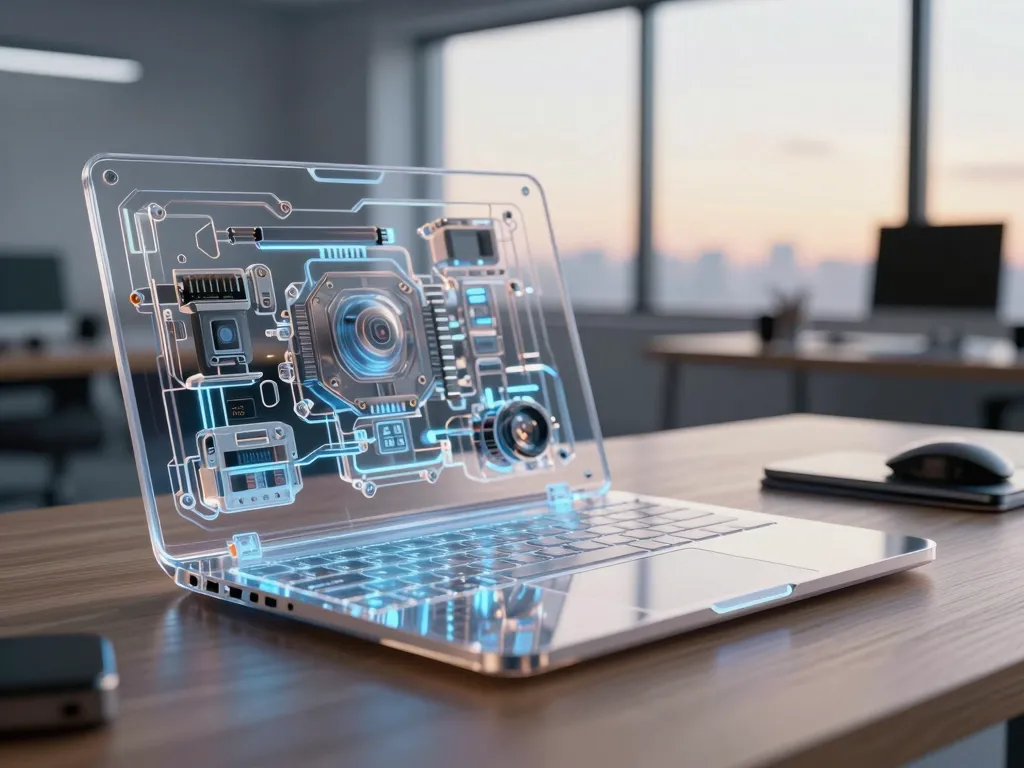
The landscape of smart home technology is constantly changing. One of the key trends is the increasing integration of artificial intelligence (AI) into devices, enabling them to learn user preferences and adjust settings autonomously. For instance, smart speakers are becoming more intuitive, allowing users to control other devices through voice commands seamlessly. Furthermore, edge computing is gaining traction, enabling devices to process data locally, enhancing speed and reducing latency.
Advancements in Home Security Systems
Home security is a primary concern for many homeowners, and advancements in smart security systems are addressing these challenges effectively. New-age security gadgets offer features like facial recognition, real-time monitoring, and automated alerts. For example, smart doorbells with integrated cameras allow users to see who is at their doorstep live, even when they are not home. Additionally, smart locks can be controlled remotely and programmed to grant temporary access to guests or service personnel.
Integrating AI into Everyday Devices
AI is transforming the way we interact with our smart home gadgets. With machine learning algorithms, devices can analyze usage patterns, making personalized recommendations based on the user’s schedule and behaviors. For instance, smart thermostats can learn your heating preferences and adjust the temperature automatically, leading to improved energy savings. As AI continues to develop, the interactions between users and their devices will become more natural and efficient.
Top Smart Home Gadgets to Consider
Choosing the right smart home gadgets can significantly enhance your living environment, making it more comfortable and secure. Below are some of the top devices to consider in 2026.
Smart Lighting Solutions That Save Energy
Smart lighting systems allow users to control their home lighting via mobile applications or voice commands. These systems can be programmed to adjust the brightness based on the time of day or occupancy, helping to save energy and reduce electricity bills. Brands like Philips Hue and LIFX offer an array of products tailored for various needs, from mood lighting to security lighting.
Automated Home Assistants for Seamless Living
Devices such as Amazon Echo and Google Nest Hub serve as centralized control systems for all your smart gadgets. They allow users to manage everything from lighting to temperature with simple voice commands. Enhanced features, such as visual displays for video calls, recipes, and schedules, are making these devices even more useful in everyday life.
Smart Thermostats for Optimal Climate Control
Smart thermostats like Nest and Ecobee not only learn from user habits but also offer features such as remote temperature adjustments and energy usage reports. These functionalities ensure homes remain comfortable while optimizing energy consumption. With features like geofencing, these thermostats can adjust the temperature automatically based on whether anyone is home, ensuring efficiency.
How to Create a Smart Home Ecosystem
Building an efficient smart home ecosystem involves selecting compatible devices, setting up a smart hub, and following best practices for connectivity.
Selecting Compatible Devices for Your Needs
Before purchasing any smart gadget, it’s essential to evaluate compatibility with your existing systems. Most devices work best within their ecosystems, such as Apple HomeKit, Google Home, or Amazon Alexa. Choosing gadgets that are part of the same ecosystem can simplify control and enhance functionality.
Setting Up Your Smart Hub for Efficiency
A smart hub acts as the central command for connecting various devices. Establishing a hub simplifies the management of your gadgets, allowing for seamless communication between them. Popular hubs include SmartThings and Hubitat, which can integrate numerous devices regardless of brand.
Best Practices for Device Connectivity
To ensure a stable home network for your smart devices, consider the following practices:
- Use a dedicated Wi-Fi network for smart devices to prevent interference.
- Regularly update device software to enhance security and functionality.
- Utilize strong passwords and consider setting up a VPN for additional privacy.
Real-World Applications of Smart Home Gadgets
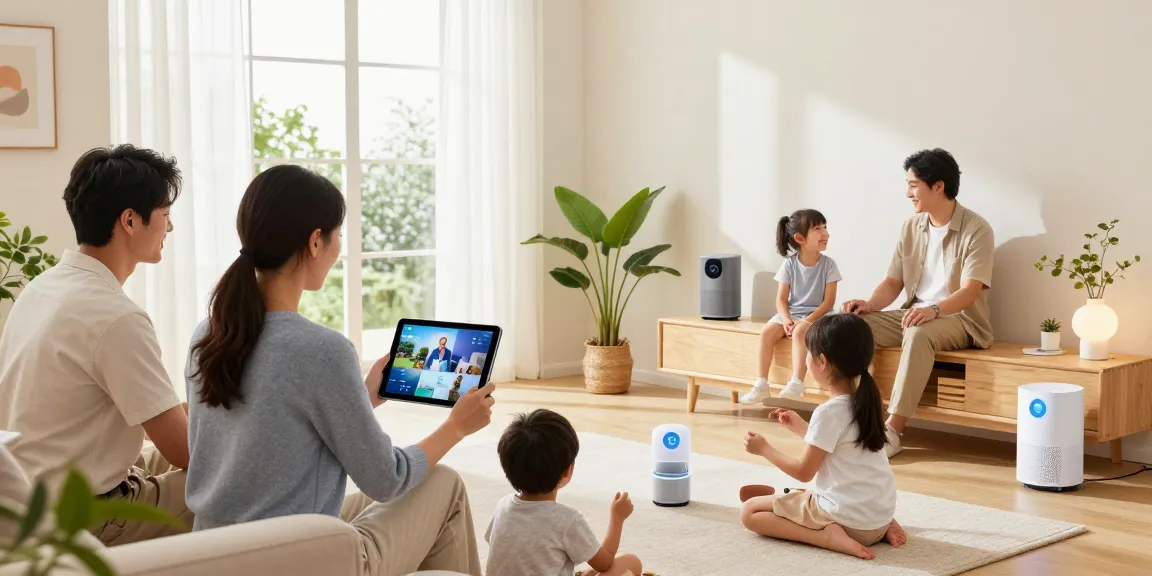
Smart home gadgets are not just about convenience; they offer tangible benefits in energy efficiency and lifestyle enhancement. Here are a few examples of how families are transforming their homes.
Case Studies: Families Transforming Their Homes
Many families have turned to smart home technology to streamline daily tasks. For example, one family might use smart irrigation systems in their gardens, which can be scheduled to water plants during optimal hours, reducing waste. Another household may benefit from smart refrigerators that monitor inventory and suggest recipes based on available ingredients, minimizing food waste.
Leveraging Smart Gadgets for Energy Savings
Smart devices facilitate energy savings throughout the home. For instance, smart plugs can track energy consumption and allow users to turn off devices remotely, reducing phantom consumption. These gadgets empower homeowners to not only save on their utility bills but also contribute to environmental sustainability.
Enhancing Convenience with Automation
The integration of smart gadgets significantly enhances convenience. Automated routines can be programmed, allowing various devices to work in concert. For example, a morning routine could involve smart blinds opening, lights turning on, and the coffee maker starting automatically as the user wakes up.
Addressing Common Smart Home Challenges
Transitioning to a smart home setup can present challenges, but most can be addressed with careful planning and the right tools.
Overcoming Connectivity Issues
One of the most common issues users face is connectivity problems. This can stem from interference or an overloaded network. Solutions include upgrading your router, using range extenders, or ensuring that devices are placed within optimal range.
Understanding Privacy and Security Concerns
Smart devices often raise concerns about privacy and data security. It is crucial for users to understand the implications of their devices and take steps to secure their networks. Implementing strong passwords, enabling two-factor authentication, and regularly reviewing privacy settings can mitigate these risks.
Choosing Budget-Friendly Alternatives
For those new to smart technology or on a budget, there are many affordable options available. Products like smart plugs and basic light bulbs can provide a glimpse into the benefits of smart home technology without significant investment. These devices can often be integrated into more extensive systems as the homeowner’s needs evolve.
What are the best smart home gadgets for beginners?
For beginners, starting with devices like smart plugs, simple switches, and basic lighting controls can help ease you into the smart home ecosystem effectively. These gadgets are user-friendly and provide foundational experiences in automation.
How do smart home gadgets improve energy efficiency?
Smart gadgets improve energy efficiency by enabling users to monitor and control their energy consumption actively. Devices such as smart thermostats and energy-efficient lighting help manage energy use more effectively, resulting in reduced utility bills.
What should I consider when setting up a smart home?
When setting up a smart home, consider device compatibility, ease of use, and your specific needs. Assessing what areas of your home you want to automate will guide your purchasing decisions and setup.
How do smart assistants integrate with other devices?
Smart assistants, such as Google Assistant or Amazon Alexa, can integrate with a multitude of smart devices, allowing for centralized control. Users can issue voice commands to manage lighting, HVAC systems, security cameras, and much more effortlessly.
Can smart home devices enhance security?
Yes, smart home devices enhance security with features like remote monitoring, real-time alerts, and automated locking mechanisms. Devices like smart locks and security cameras can provide added peace of mind by allowing users to monitor their homes from anywhere.